01
Your lowest standard
You are placed at the highest colour where all six standards are met. Five at Maroon and one at Blue means your rank is Blue.
Seven ranks. The same six movement families at every level. Choose your target, train the gap, meet the form standard and film a grading that can be verified.
You are placed at the highest colour where all six standards are met.
Your rank measures the whole body, not your best movement.
You are placed at the highest colour where all six standards are met. Five at Maroon and one at Blue means your rank is Blue.
For each family, show the highest standard you can perform cleanly and then attempt the standard above. The harder attempt is required unless you are already at the top, but carries no points.
You may refilm each family once during the 14–24 December final grading window.
A deferred family scores zero at both baseline and final for the Skill Prize. You remain eligible and compete on improvement across the other five families.
★ marks the signature movement of each rank. Timed holds begin once the position is reached; unbroken sets end when you stop or leave the equipment.
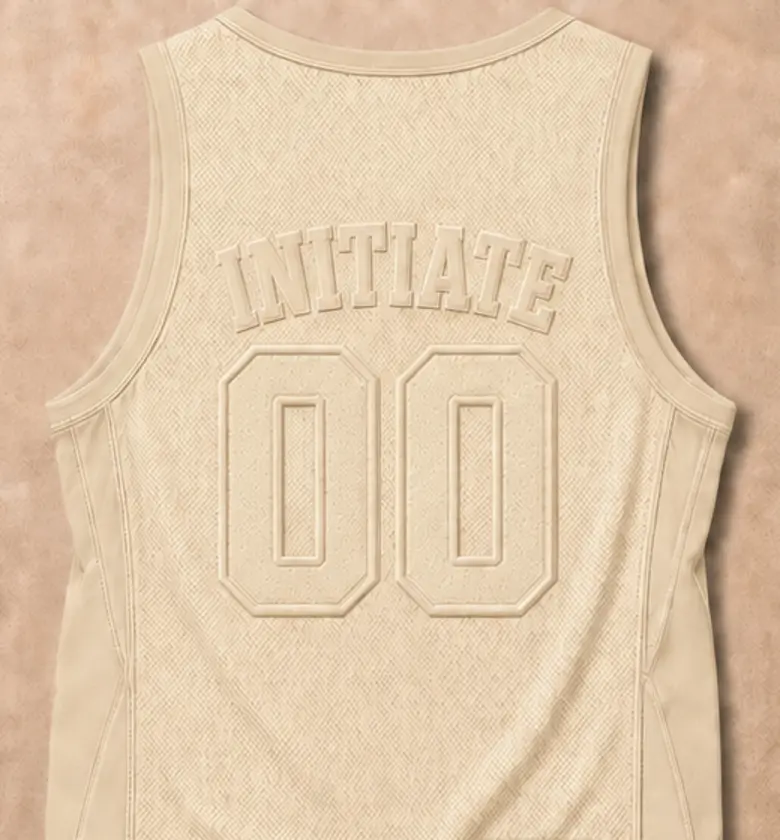
A good base. White submits all six standards across two videos.
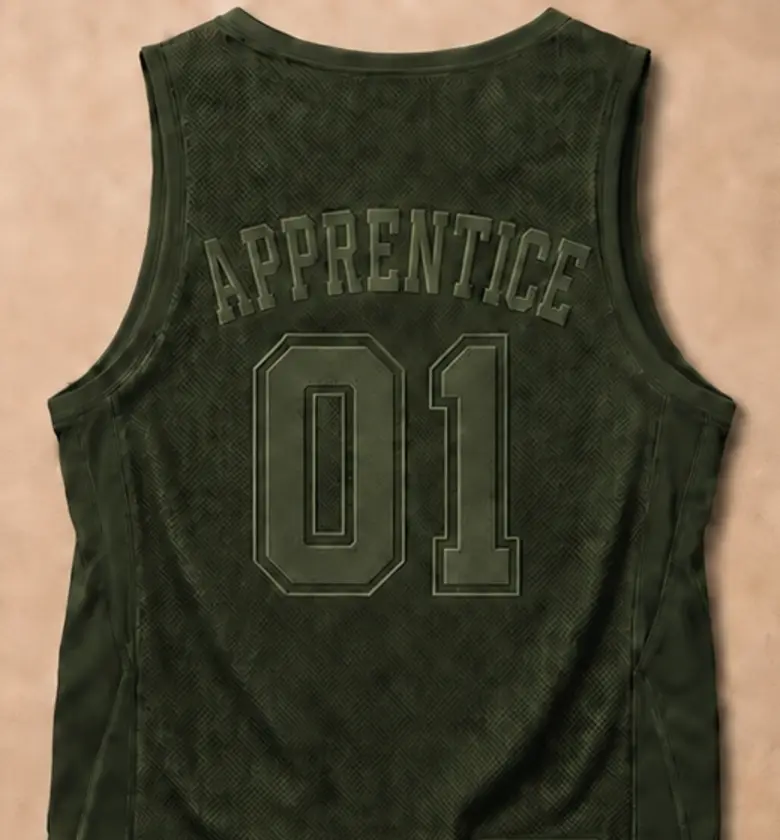
Your first pull-up, and the ankle mobility that leads to a pistol.
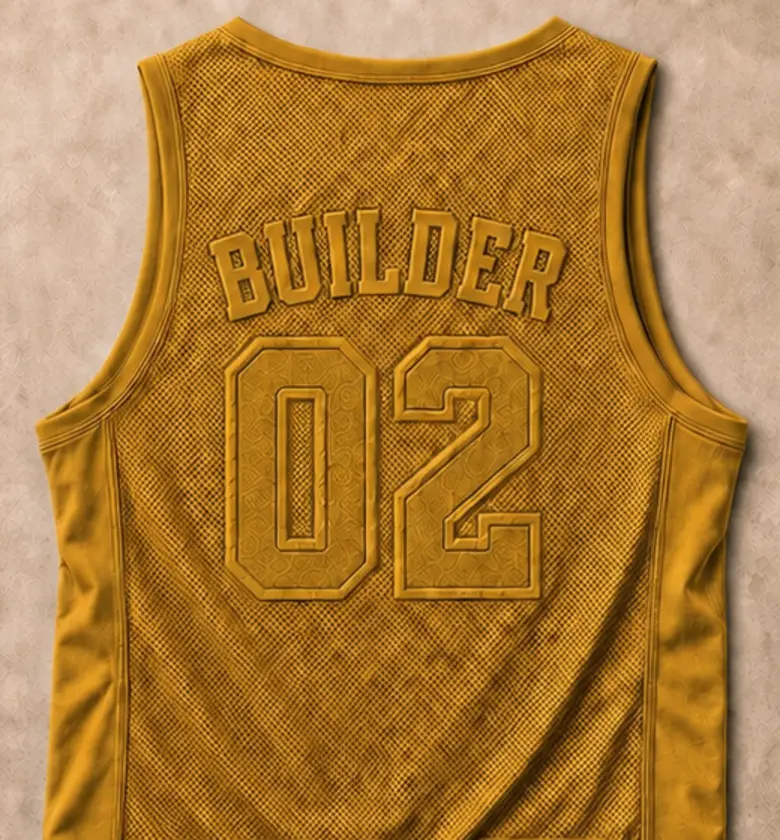
Dips, pistols and a handstand you can hold.
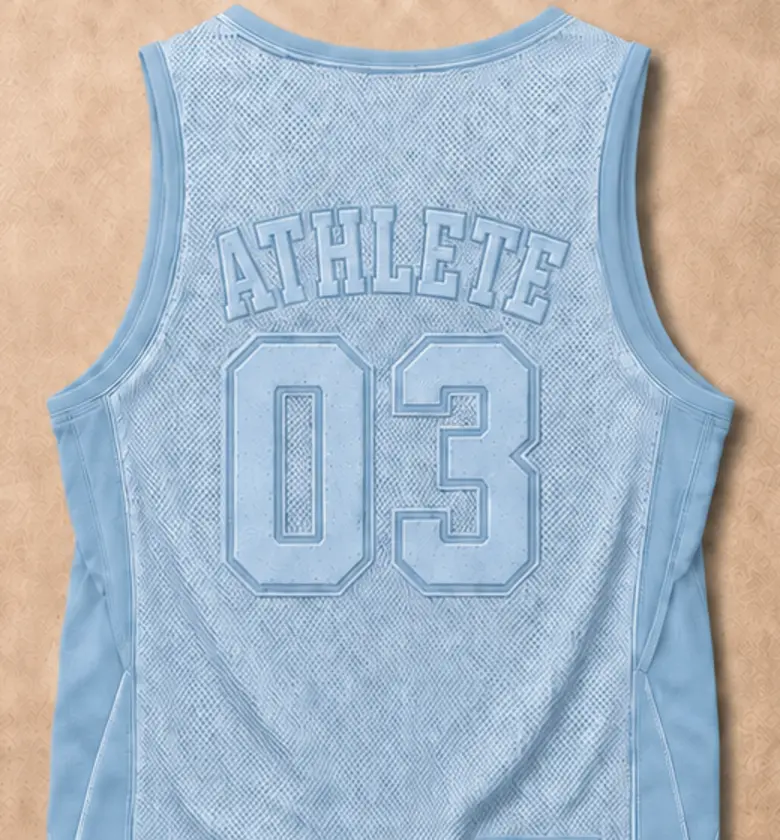
The front lever, and the first rank where people stop and watch.
The muscle-up, and a handstand with no wall behind you.
The flag, held sideways off a pole with your legs straight.
Pressing into a handstand from the floor, and every other standard at full extension.
Warm up before training. Use longer static stretching after training or separately.
Skip, jog, march or walk fast. Aim for warmth, not fatigue.
Wrists, shoulders, spine, hips, legs and elbows through controlled range.
Three 20–30 second rounds at your level, from glute bridge to wall walk-down.
Hollow and arch holds, band pull-aparts and a dead hang.
Build-up sets of the exact movement at roughly 40%, 60% and 80% effort.
Post-training wrists, pecs, lats, shoulders, pike, couch stretch, straddle and ankles.
Every session covers all six families. Rotate variations across six training days, then take one recovery day.
| Session | Families | What changes |
|---|---|---|
| A | Pull · Push · Legs · Core · Handstand · Lateral | Variation A |
| B | Pull · Push · Legs · Core · Handstand · Lateral | Variation B |
| C | Pull · Push · Legs · Core · Handstand · Lateral | Variation C |
| Rest | Walk · Mobility · Bridge | Recover without becoming inactive |
Film all six target standards and identify the gaps.
Easier progressions, more repetitions and more quality sets.
Harder progressions, lower reps and longer rest.
Practise the exact grading standards.
Halve volume while keeping the patterns.
Film all six standards using your rank’s video structure.
Add reps until every set reaches the top of the range, then progress the movement.
Accumulate 60 seconds total in short sets; progress when the target is owned.
Practise below failure. Ten quality attempts beat three grinding ones.
Timed holds start when the position is reached and stop the moment it breaks. Unbroken means the set ends when you come off the equipment or stop moving.
Dead hang. Hang from a bar with hands roughly shoulder width, arms straight and shoulders relaxed. Feet stay off the floor. The timer runs while both hands stay on the bar.
Strict pull-up. From a full dead hang, pull until the chin clears the bar, then lower under control to straight arms. No kip, swing or bounce.
Blue pull-ups. Use the same strict standard for eight unbroken reps.
Muscle-up. From a hang, transition over the bar or rings to straight-arm support. Kipping is accepted on a bar; ring muscle-ups must be strict. Both count equally.
Raised push-up. At White, place your hands on a secure surface around kneecap height. Keep one line from head to heel. The rep counts when the chest reaches within a fist of the surface and the arms return to full lockout.
Push-up. Use the same standard with hands on the floor under the shoulders. Hips may not lead, sag or pike.
Dip. Start in straight-arm support with feet clear. Lower until shoulders pass below elbows, then return to full lockout. No kip or leg drive.
Planche lean. Keep straight arms, shoulders in front of the hands, and hips and heels in one line with hips no higher than shoulders.
Tuck planche. Hold the whole body off the ground on straight arms, knees tucked and hips at or above shoulder height.
Advanced tuck planche. Keep the back flat and hips open to roughly 90 degrees at the knee.
Straddle planche. Hold the body horizontal on straight arms with straight, wide legs.
Squat depth. One rule everywhere: the hip crease finishes below the top of the knee.
Bodyweight squat. Start with feet roughly shoulder width and finish standing at full extension. An unbroken set ends if you stop moving or sit down.
Feet-together squat. Keep both feet touching side by side. A rep does not count if either heel lifts.
Box pistol. Stand on one leg with the free leg forward. Touch a knee-height box with the glutes, then stand fully without the free foot or hands touching and without bouncing.
Full pistol. Use the same movement to full depth with no box or support.
Shrimp squat. Hold the rear foot with the same-side hand, touch the rear knee to the floor and stand fully.
Deficit pistol. Perform a full pistol on a raised surface so the free leg drops below the standing foot.
Tuck hollow body hold. Lie on your back with the lower back pressed flat, shoulders lifted and knees bent above the hips. The timer ends if the lower back lifts, the knees drop below the hips or the feet touch down.
Hanging tuck hold. Hang from a bar with knees at least hip height. The timer ends when the knees drop below the hips or a hand leaves the bar.
Tuck front lever. Hold the body horizontal with knees tucked, back flat, shoulders and hips level.
Advanced tuck front lever. Open the hips to roughly 90 degrees while keeping the back flat and body horizontal.
Straddle front lever. Hold the body horizontal and level with straight, wide legs.
Full front lever. Hold a straight, horizontal line from shoulders to heels.
Plank. Use forearms on the floor under the shoulders and hold one straight line from head to heel. The timer ends if the hips drop or pike, or a knee touches down.
Chest-to-wall handstand. Required at Green and Yellow. Walk the feet up until the chest and thighs face the wall, with a straight, stacked body and straight arms.
Back-to-wall handstand. Required at Blue. Kick up with heels against the wall and stack hips over shoulders and shoulders over hands.
Freestanding handstand. No wall or contact. The timer starts when the feet leave the ground and ends on the first touch.
Press to handstand. From standing or a floor straddle, press into a freestanding handstand without jumping or kipping, then hold for 2 seconds.
Side plank. Place one forearm on the floor and hold the body in one line with hips stacked and lifted.
Long-lever side plank. Keep both legs straight and reach the top arm overhead in line with the body.
Star side plank. Raise the top leg toward the ceiling and reach the top arm overhead while keeping the hips stacked and body in one plane.
Chamber hold. On a secure pole, pull down with the top hand and press away with the bottom hand, roughly 45–60 cm apart. Keep both feet off the ground, knees tucked and hips stacked and square.
Advanced tuck flag. Open the hips to roughly 90 degrees from the chamber position with the body clear of the pole.
Straddle flag. Hold the body horizontal with straight, wide legs.
Full flag. Hold the body horizontal with straight legs together.
Film the highest clean standard in each family, followed by your best attempt at the standard above.
Everyone sends Day 1 photos, a screenshot of their Find My Rank result and plan information privately by 22 September. Add six-family baseline grading only if competing for the Jordan Skill Prize.
You may refilm each family once inside the final grading window. Every resubmission must arrive by 11.59PM AEST on 24 December.
A deferred family scores zero at baseline and final for the Skill Prize. The other five families can still earn improvement points.
The boring middle is where ranks are won.
Aim for 7–9 hours. Recovery consolidates strength and skill.
Aim for 1.6–2.2 g per kilogram of bodyweight daily.
Drink 2–3 litres daily, more in heat. Maintain your hands and calluses.
If a joint aches across three sessions, reduce the progression rather than forcing it.
Every fourth week, halve volume. It is non-negotiable at Maroon and above.
Move. Train or walk. Fuel. Hit protein. Log. Record honestly.
See the free book built from your six results, available time and equipment.